
A roadtrip is not only getting amazed by wonderful landscapes and the freedom which goes along. It is also an opportunity to discover a culture ; a history ; whether told by the people who live there, or by the monuments still standing and maintained, or even by the geological formations that have been preserved and documented. Canada, as we know it today, is considered a young country. I heard it many times. Yet this land was shaped thousands of years ago and inhabited by different peoples down the ages. This is what I discovered after 30,000 kilometers of motorcycling.
In this second episode of our History & Culture of Canada series, here is why I fell for Prince Edward Island.
Prince Edward Island, or P.E.I. when you want to make it quicker, is the smallest province in the Maritimes. And, we might add, the smallest of the Atlantic Provinces, with a population of just under 175,000 at last count in 2022. As a reminder, the Atlantic Provinces include the three Maritime Provinces (New Brunswick, Prince Edward Island and Nova Scotia) and Newfoundland and Labrador. But the island’s population continues to grow, with migration mainly from abroad, for permanent or temporary residence. The island also attracts Canadians from other provinces, such as neighboring Nova Scotia, as well as from Ontario and even further in Alberta. So the island is popular, and not just with tourists! And what’s good for the French-speaking community is that it’s growing too. The island now boasts over 5500 French-speaking people, including Acadians. As explained in my previous article on Nova Scotia, Prince Edward Island was part of a much larger region in the 17th and 18th centuries: Acadia. Until 1799, the island was called Île Saint-Jean (Island of Saint John) by the French. The name was changed in honor of King George III’s son. The island came under British control after the Treaty of Utrecht in 1713. Prince Edward Island became part of Canada in 1873. So, on July 1, 2023, the islanders celebrated 150 years of belonging to Canada! But I was in Halifax – so I missed the celebrations.
The « potato » island?
Well, the Belgians have a field day here, not competing on beer but on potato production! Who would have thought it for this small province? In 2022, the island will be the country’s second largest potato producer, behind Alberta and just ahead of Manitoba. The reputation of Prince Edward Island’s « potatoes » is well established, and the PEI potato association is so committed that you can find news, recipes and the history of production on the Island on its website!
The island’s economy relies heavily on this industry. In November 2021, it was almost a provincial tragedy when the United States, a major importer of Prince Edward Island potatoes, stopped all trade with its island suppliers. Wart, a known but harmless disease, was observed in a few plots. The total stoppage results in a loss of revenue of over $50 million. Fortunately for the islanders, exports were able to resume in April 2022. And as fishing is the province’s second major industry, I can only recommend that you stop off for a seafood dish with… potatoes, of course!
Another « world’s largest »: the Confederation Bridge
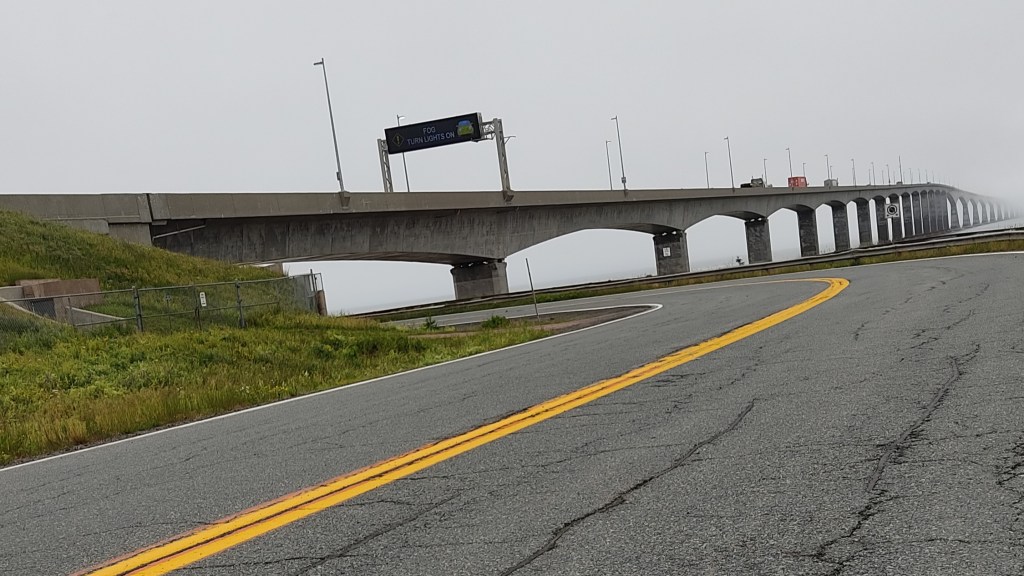
If you google biggest thing in the world, chances are you’ll come across a place in Canada. I’ll talk about the biggest « paperclip, moose, axe, etc. » in future articles. In the province, it’s the bridge that’s the main attraction. Called the Confederation Bridge, it’s the longest bridge built over ice-covered water (in winter). It is 12.9 kilometers long and spans 11 kilometers of the Northumberland Strait, linking Prince Edward Island to the rest of the continent, via New Brunswick. It was inaugurated in May 1997 after 4 years of construction, and is still praised today for its construction method. If you’re a bit of a nerd, VINCI Construction Projets, to whom the project was awarded, details the technique used with goldsmith’s precision, no pun intended. The island becomes a peninsula, and residents can finally reach the mainland without having to rely on the ferry between the island and Nova Scotia, which didn’t always run in the middle of winter.
Between beaches and coastal tours, you’ll love it!
If you’re on the fence about visiting the island, take a look at your Netflix account (or that of your aunt or best friend) and watch an episode of the series Anne with an E, adapted from the novel by Lucy Maud Montgomery, Anne of Green Gables.
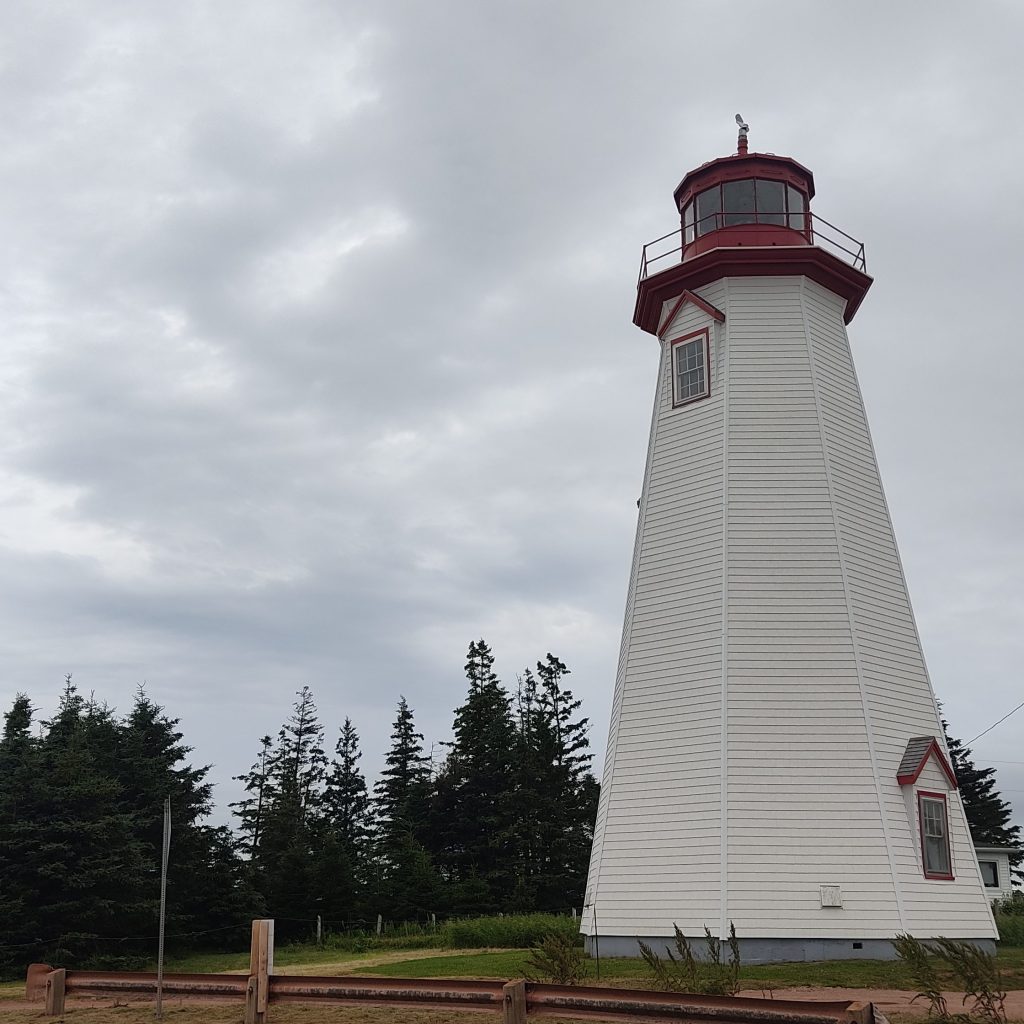
Between immense sandy beaches and numerous hiking trails, the island is a paradise for outdoor activities. There are eight provincial parks, all offering different experiences. Special mention should be made of the Central Coastal Drive, which links the Green Gables Coast to the Red Sand Coast. The former, in the north of the island, takes you from Dalvay-by-the-sea to Cavendish beach. The route, whether by bike or motorcycle, is a sight to behold. It’s hard to take your eyes off the shore and concentrate on the road. Stanhope beach invites you to relax for hours, between a 5-kilometer walk, a swim or… a kite surfing session. The lighthouses of Canada’s east coast are popular with tourists, so it’s hard to resist photographing Covehead Harbour at sunset!


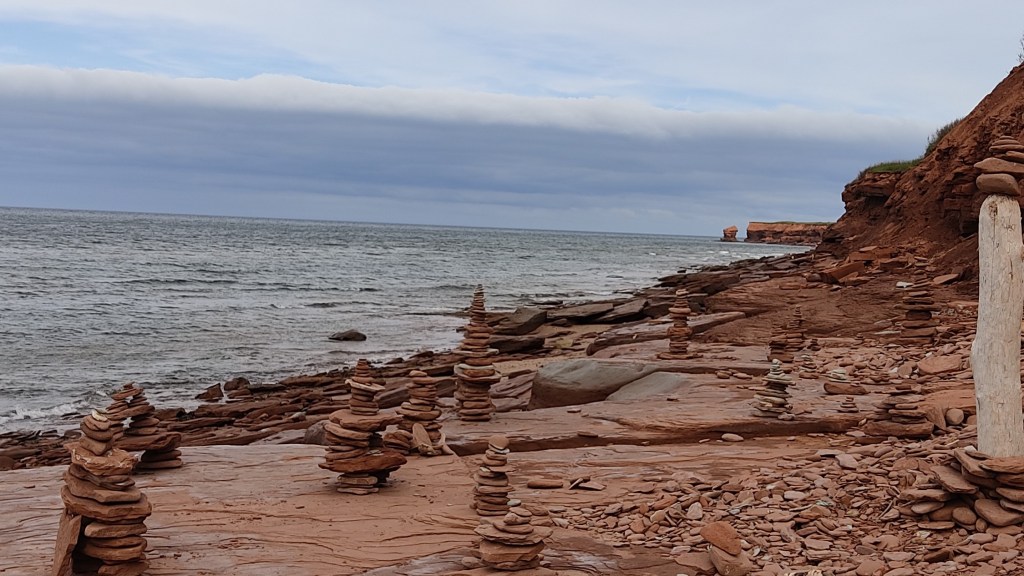
The red sand coast lies on the other side, in the south-central part of the island. From Canoe Cove to North Carlton, you’ll have an exceptional view of the Northumberland Strait and the Confederation Bridge, not to mention the red cliffs and equally colorful sandy beaches.
Still not convinced to go to this small Canadian island and province? Perhaps the central coastal drive guide will convince you. Or maybe it’s the abundance of potatoes, fish and seafood. I’ll let you choose!
For the tourist guide, click here.
For the article in French, it’s here too.

 Julia on a bike
Répondre à Histoire et culture du Canada, épisode 4 : l’île du Prince Edouard – Julia on a bike Annuler la réponse.