
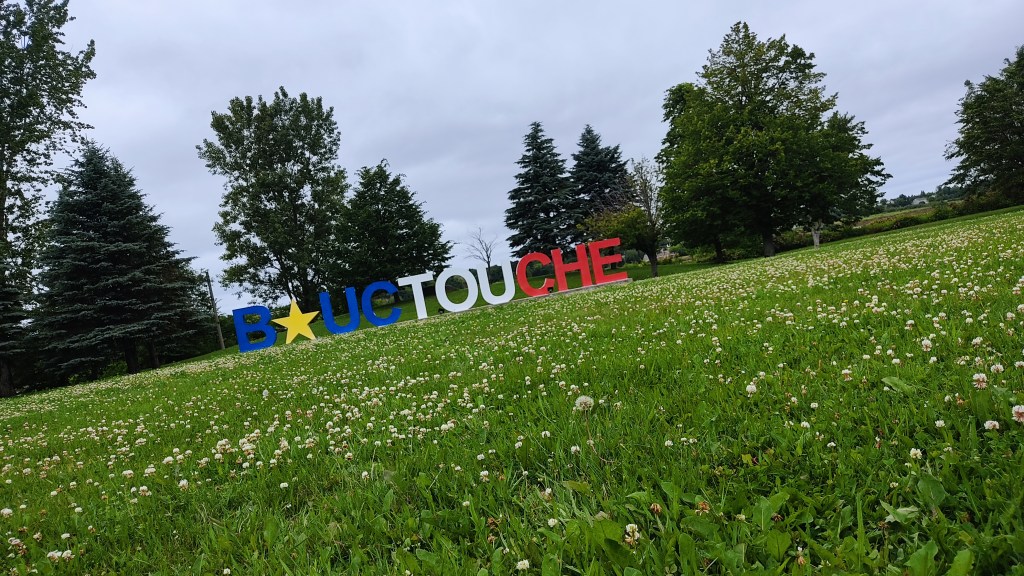
A roadtrip is not only getting amazed by wonderful landscapes and the freedom which goes along. It is also an opportunity to discover a culture ; a history ; whether told by the people who live there, or by the monuments still standing and maintained, or even by the geological formations that have been preserved and documented. Canada, as we know it today, is considered a young country. I heard it many times. Yet this land was shaped thousands of years ago and inhabited by different peoples down the ages. This is what I discovered after 30,000 kilometers of motorcycling.
In this fifth episode of the Canadian History & Culture series, we talk tourism and culture in New Brunswick.
Geographically, New Brunswick is the first of the Maritime and Atlantic provinces, with its northern border to Quebec. Its capital is Fredericton but Moncton is the biggest city of the Province with its University being renowned.
Now, there’s nothing new on the horizon, but it’s worth pointing out again that Canada has two official languages: English and French. Although most Federal government services are provided in both languages, the use of both languages is uneven across the country. Quebec, for example, is the only province with only one official language, French. And the further you go from Montreal, the economic and cultural heart of the province, the less English is spoken. Conversely, New Brunswick is the only officially bilingual province in Canada. And a proud one at that. After the enactment of New Brunswick’s Official Languages Act in 1969, which put the two official languages on an equal footing, a new law in 1980 recognized the equality of the province’s two linguistic communities. E-qua-li-ty!
As we saw earlier, New Brunswick and Nova Scotia formed a larger region in the 17th and 18th centuries, known as Acadia. When one lives French-speaking community, one also means mastering the French language. But we all know languages evolve under various influences. New Brunswick has not been exempt from that trend. Therefore, in addition to Acadian French which has been spoken for decades, there is another dialect called Chiac, mostly spoken along the east coast: it mixes French and English words, without being considered « franglais ».
But while we’re on the subject of linguistics, Brunswick doesn’t really sound English or French, does it? Right on! As Jorg, a native of Hamburg who has lived in Manitoba for many years, pointed out to me, the province’s name is a tribute to George III, King of Great Britain from 1760 to 1820 and Duke of Brunswick, located in what is now Lower Saxony, Germany.
Francophone tourism and history in New Brunswick
To visit the province, there’s nothing like a little history. Yes, again. But it’s not every day you get to visit other French-speaking communities, is it? Before the arrival of the colonists, North America was populated by aboriginal peoples. In New Brunswick, as in Nova Scotia, Gaspésie and Prince Edward Island, the Micmacs were the settled peoples. They were joined by two smaller communities. To the north, in the Saint John River valley, were the Maliseet, while to the east, on the border with present-day Maine, were the Passamaquoddy. Give me a few days to offer you something a little more in-depth on the aboriginal populations, and let’s get back to business.
As you’ve read in the article on Nova Scotia, the Acadians were sometimes under English or French influence; sometimes independent; with alliances to native peoples such as the Micmacs. Their cultural heritage is rich, and it’s hard to overlook it on your visit to New Brunswick. If you get the chance, head for the Village historique acadien, near Caraquet in the north of the province. A 2-kilometer tour takes you on a journey through time, from 1770 to 1949. Interpreters show us Acadian life over the years, from agriculture and the fishing industry to education and religion, not forgetting the evolution of local commerce: caisse populaire, general store, gas station and printing plant! The Village is open from June to mid-September, and even offers overnight stays.
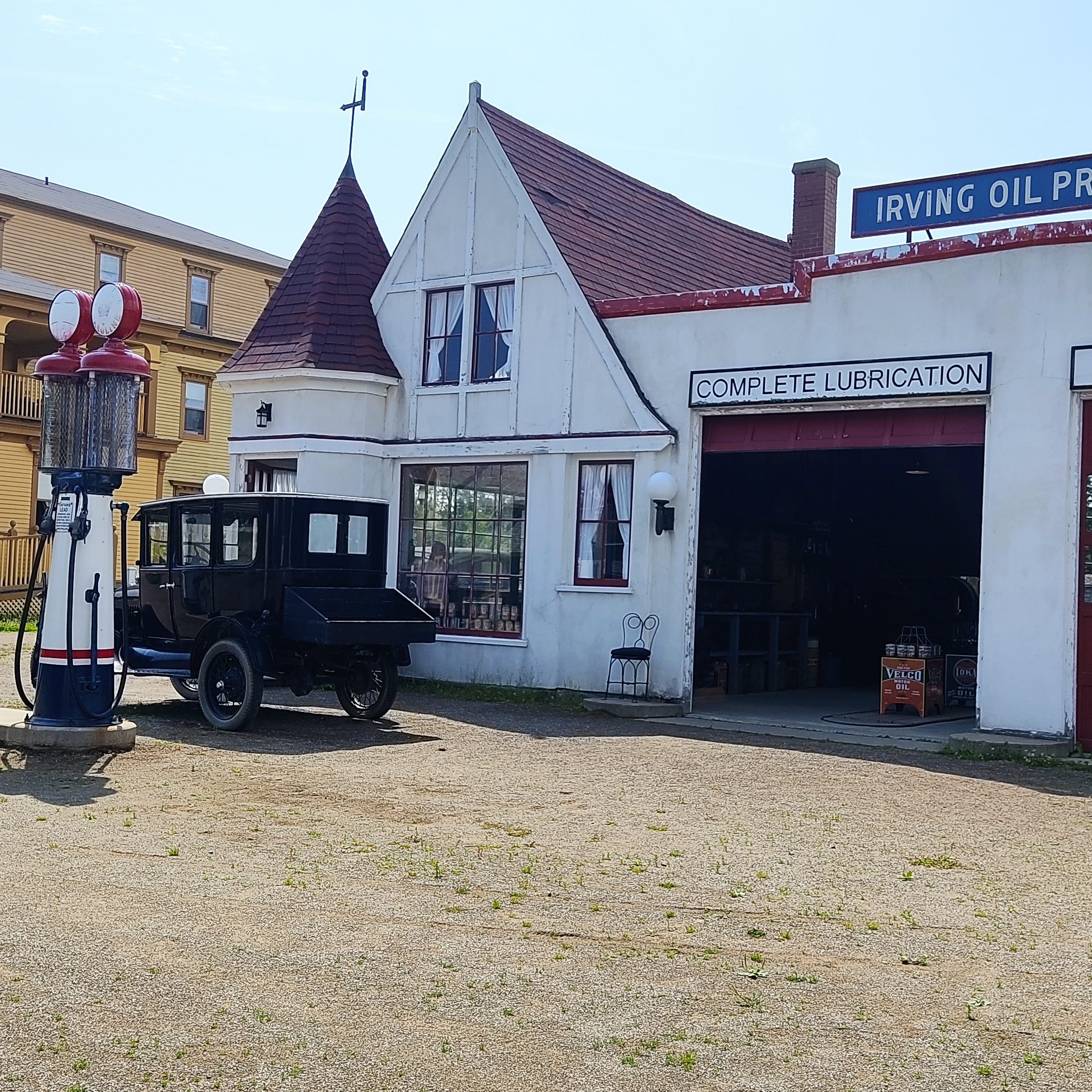
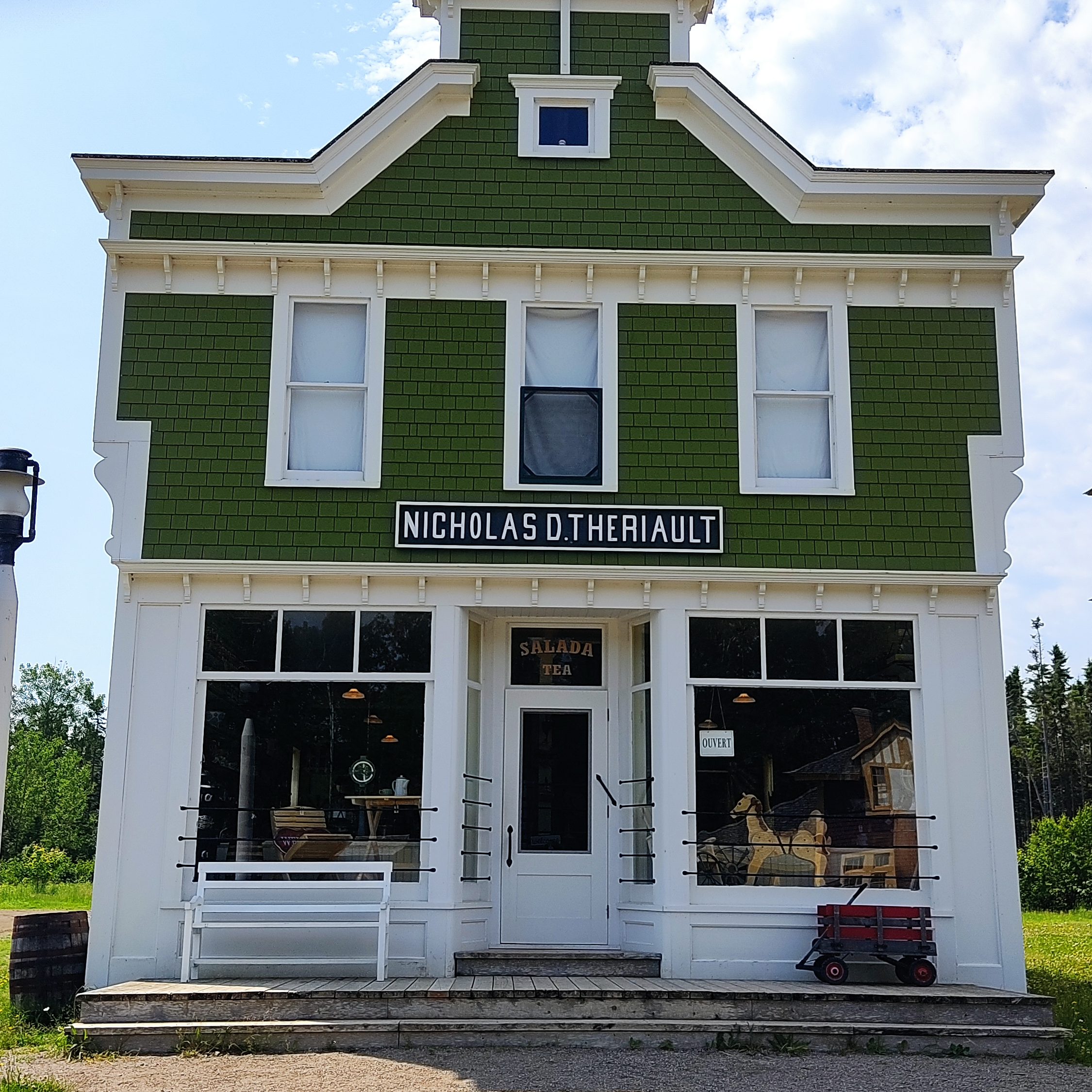
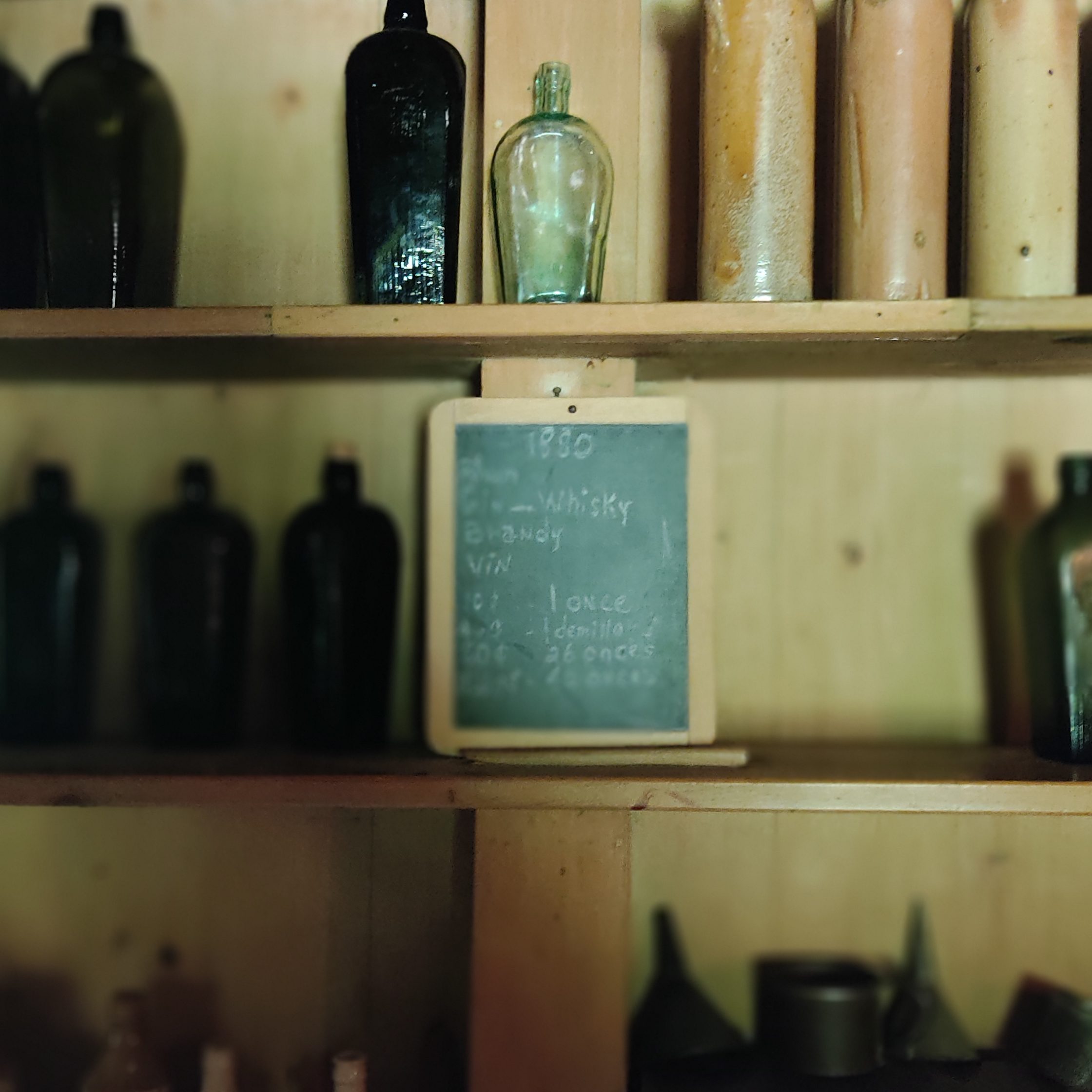
If you’re more of a southerner, you can visit Kings Landing (no Game of Thrones connection, I see you coming). The village will even be celebrating its 50th anniversary in 2024, a unique opportunity to celebrate Acadian culture!
Fun fact: Since Netflix offers again the Hunger Games saga, allow me to tell you that Donald Sutherland, who plays the famous vilain of the movies, was born in Saint John, NB. Now you relly learnt something, didn’t you?
On the coast road
If you’re a roadtripper with a tight schedule, the Acadian Coastal Drive is your way to follow. It’s a dive into history and a sightseeing tour that’s sure to leave you wanting to know more! It’s hard not to stop in every community, but if I had to make a choice, here are my top 5, from south to north: Cap pelé – Shediac; Bouctouche; Miramichi, Miscou Island and Caraquet-Pokeshaw. If you like seafood, you’re in for a treat! If you like water sports or strolling along the seafront, you’ll love it too. And if you’d like to add a little Micmac history to the menu, head for Metepenagiag Historical Park and Beaubears Island, just outside Miramichi. You can even spend the night (or more) there!
Since you can always find the biggest thing in a Canadian province, Shediac is home to the world’s largest lobster. At 11 metres long and 5 metres high, it’s sure to be an imposing sculpture! But while this attraction attracts thousands of tourists, it also underlines the importance of Shediac’s lobster-fishing industry, which was primordial even in the 20th century.
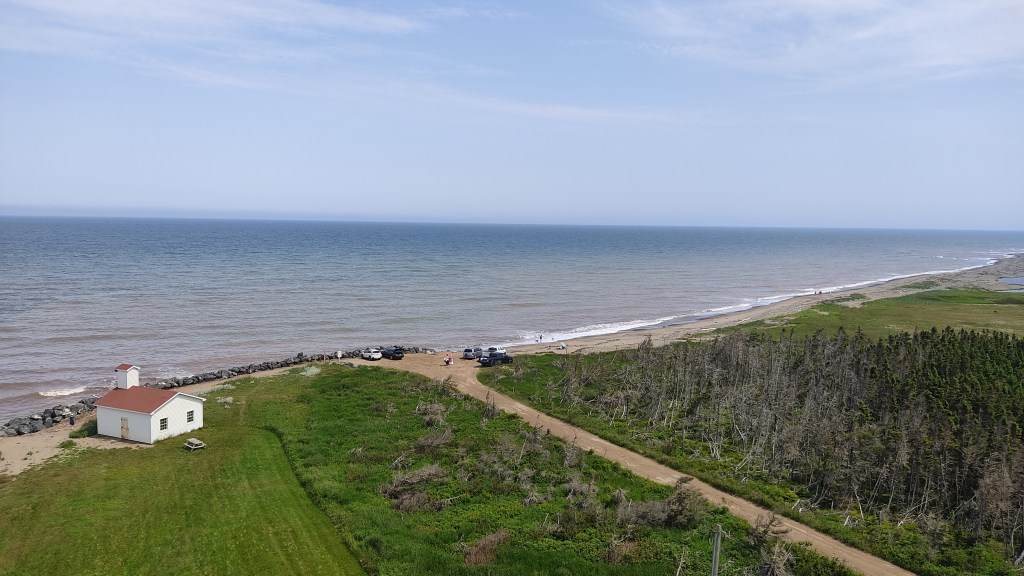
At the northeastern end, you’ll come upon Miscou and its lighthouse, built in 1856 and now a National Historic Site. Located at the tip of the Birsh, it is one of the oldest in the region. On the way back, the place to eat or drink is La Terrasse à Steve. At first, you pass the bar without paying much attention, noticing only the enormous carved seat in the shape of a lobster. But it’s inside that it’s all about – and I’m not talking about the craft beer menu or the food. I’m talking about the walls and tables: here, it’s customary for everyone who passes through to leave a dedication, provided they can find a bit of room!
New Brunswick is truly a place to stop. If you loved the Bay of Fundy on the Nova Scotia side, you’ll love this north shore of the bay. If you enjoyed the Acadian culture in Nova Scotia, you’ll love discovering the parallels and differences with that culture in New Brunswick. Make sure to attend one of the biggest Acadian Festival in Caraquet! And if you kite-surfed on the Atlantic ocean in Nova Scotia, the spots on the Acadian coast on the Gulf of St. Lawrence are waiting for you!
| How do I get to New Brunswick? By land: New Brunswick borders Quebec and Nova Scotia to the north, and the state of Maine to the east. Fredericton, New Brunswick’s capital and the province’s easternmost city, is 4.5 hours from Rimouski, 6 hours from Quebec City and 8 hours from Montreal or Gaspé, via the Trans-Canada Highway. From Fredericton, you’re less than 5 hours from Portland, Maine’s largest city. In just over 4 hours, you’ll reach Halifax, Nova Scotia, and in just 3.5 hours, Charlottetown, capital of Prince Edward Island. By air: New Brunswick has three international airports, in Fredericton, Moncton and Saint-John, and several regional airports, in Saint-Leonard, Bathurst and Charlo. By rail: With Via Rail, you can reach the major cities of Quebec and Nova Scotia all year round. Stops in Moncton, Amherst, Miramichi and Bathurst let you explore the Acadian coast in complete freedom. By sea: From Saint John, you can reach Nova Scotia (Digby) in 2.5 hours. How to get around? Whether by car, motorcycle or bicycle, it’s easy to get around the province and admire the different landscapes and discover this land steeped in history. To cross certain rivers, you can even take the free government ferry service. To access Grand Manan Island, White Head Island and Deer Island, you’ll need to book or check the timetable on the Coastal Transport website. Only the crossing to Grand Manan Island is subject to a charge. |
To find out more about tourism in New Brunswick, visit the official New Brunswick Tourism page.
For the article in French, click here.
 Julia on a bike
Laisser un commentaire